
 Tiếng Việt
On April 15, 2025, the training program titled “Scaling Up Energy Efficiency for Leaders in the Beverage Industry” was held under the framework of the VSUEE project. The session was organized by the Green Development Center (GreenDC) in collaboration with Bach Khoa Energy Corporation (ECC-Bach Khoa).
In a context where the industrial sector accounts for a significant proportion—over 50% – of the country’s total energy consumption, implementing energy efficiency (EE) measures is not only essential for reducing production costs and enhancing business competitiveness but also plays a critical role in advancing national goals for sustainable development and greenhouse gas emissions reduction. Active involvement and leadership are among the key factors in effectively realizing energy efficiency solutions within industrial enterprises.
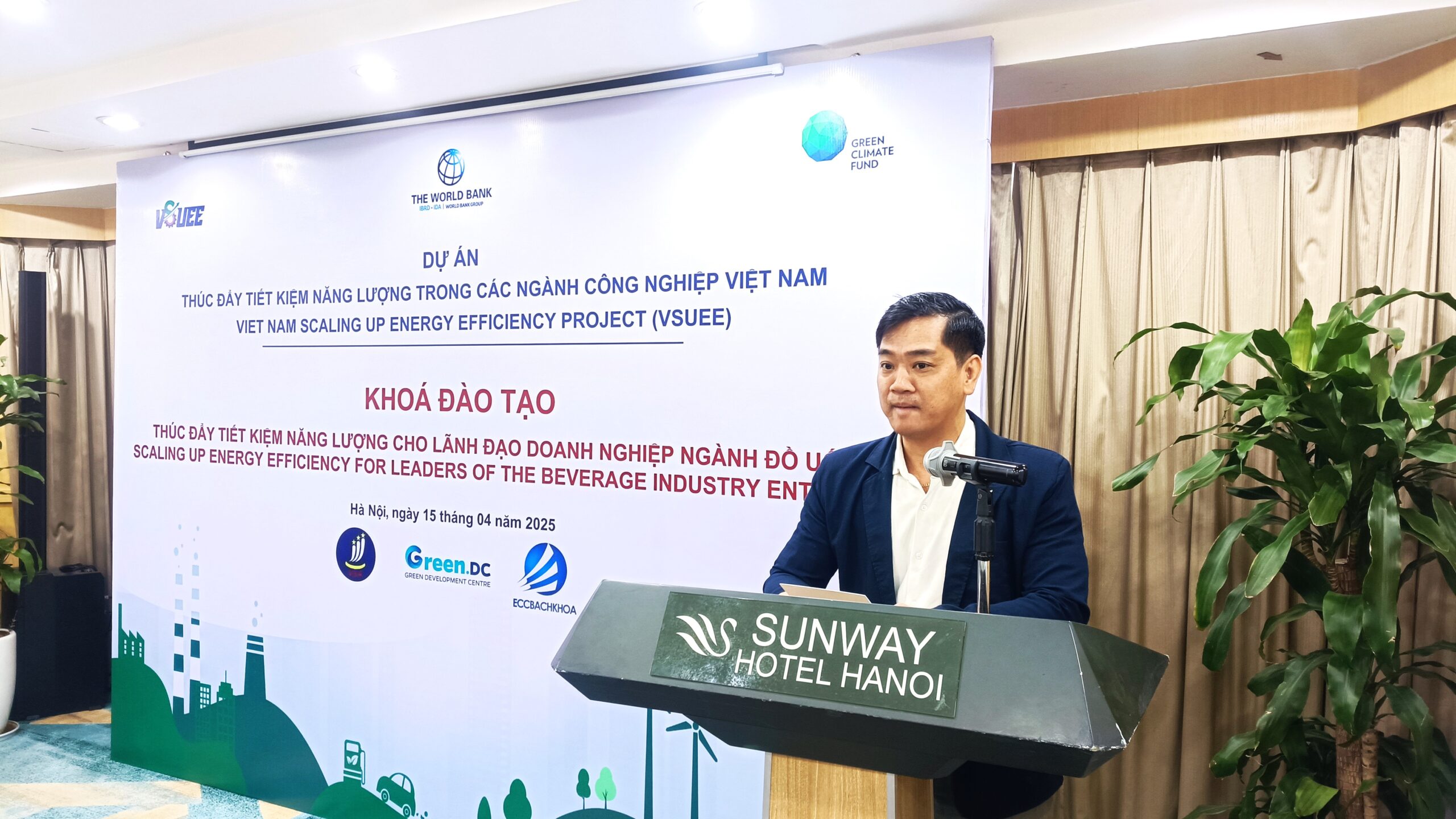
Mr. Bùi Thanh Hùng, General Director of Bach Khoa Energy Saving Joint Stock Company (the consulting unit responsible for implementing the training program), introduced the training program.
Business leaders are key enablers in driving energy efficiency (EE) initiatives. When top executives truly recognize that energy efficiency is not merely a cost-cutting measure, but also a means to enhance production efficiency, brand reputation, and long-term competitiveness, EE becomes an integral part of the company’s development strategy, rather than a short-term option.
Moreover, many energy efficiency (EE) solutions require significant upfront investment. Without strong commitment and long-term vision from leadership, businesses may miss out on substantial savings and future productivity gains. In practice, numerous enterprises, driven by decisive leadership, have saved billions of VND annually by implementing the right energy-saving measures.
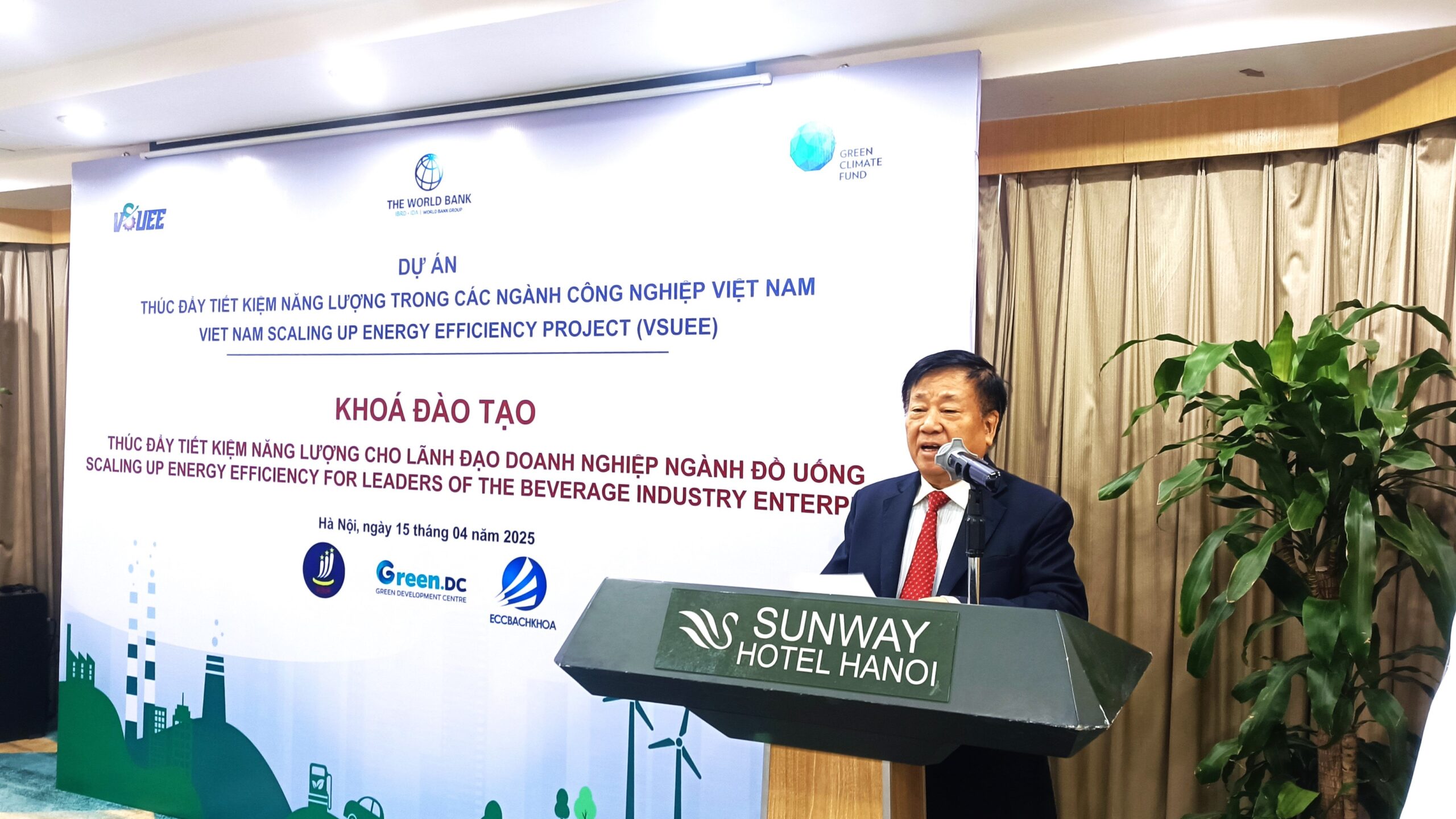
Mr. Nguyễn Văn Việt, Chairman of the Vietnam Beverage Association (VBA), emphasized the importance of applying energy efficiency solutions in the beverage sector.
Leadership goes beyond internal management; it also plays a crucial role in connecting the business with external resources, such as green finance funds, international organizations, and technology providers. In particular, with Vietnam rolling out technical and financial support programs like the VSUEE Project, proactive leadership is essential for successful participation and benefiting from these initiatives.
| The VSUEE Project provides a Risk Sharing Facility (RSF) fund with a scale of 75 million USD, financed by repayable funds from the Green Climate Fund (GCF) through the World Bank. The RSF was established to reduce the credit risk for participating financial institutions when lending to energy efficiency investment projects, through the issuance of RSF credit guarantees. |
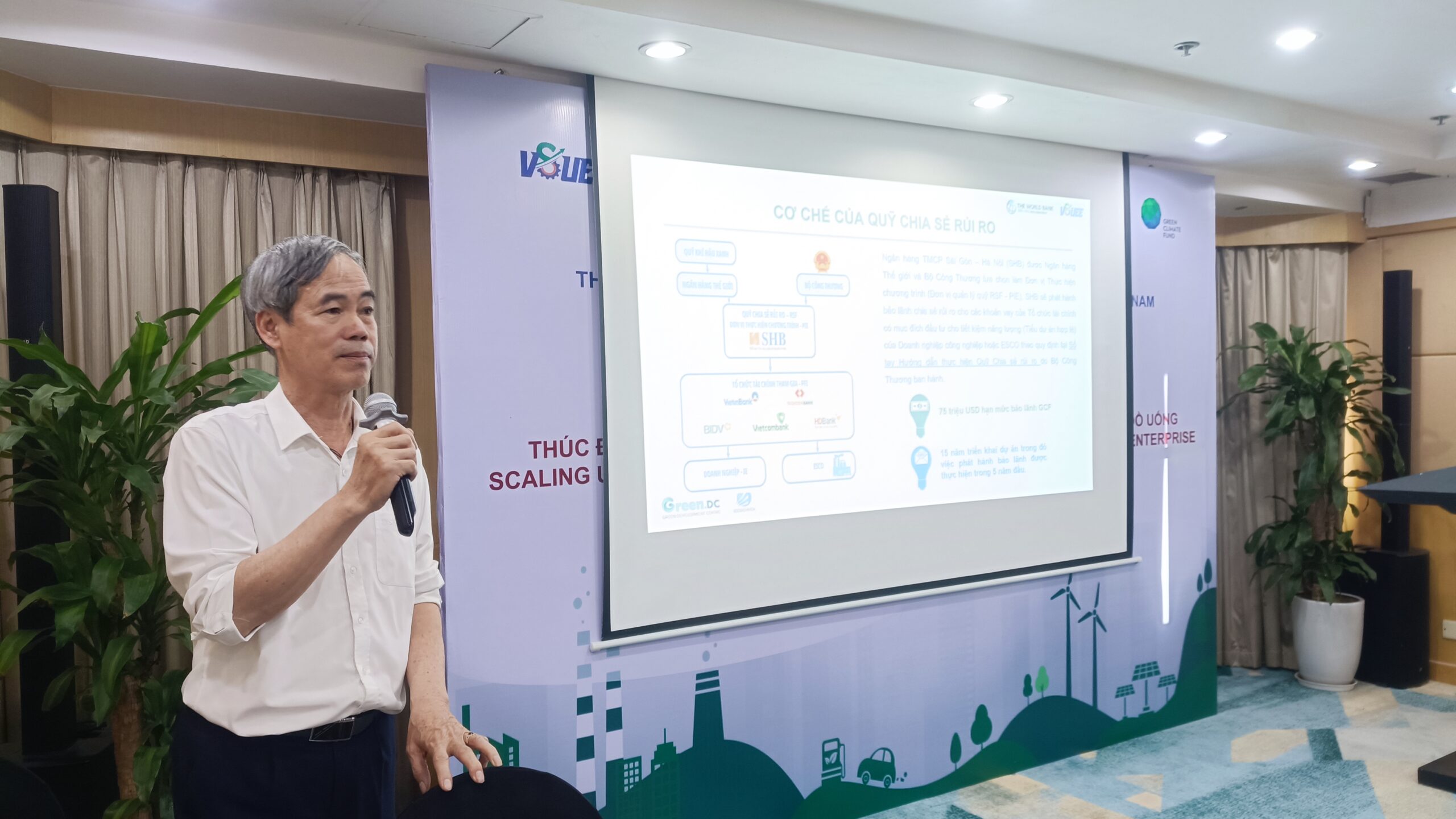
Mr. Bùi Xuân Cảnh, Technical Evaluation Expert at the Risk Sharing Fund Management Board, SHB Bank, introduced the Risk Sharing Fund and its guarantee mechanism.
To access international markets and sustainable funding while meeting growing ESG standards, Vietnamese businesses must view energy efficiency investments as a key component of their long-term, environmentally responsible development strategy focused on sustainable growth.
Recognizing the importance of business leadership in implementing energy efficiency solutions, the Ministry of Industry and Trade, in collaboration with the World Bank, organized the training program “Scaling Up Energy Efficiency for Leaders of the Beverage Industry Enterprise” under the Vietnam Scaling Up Energy Efficiency Project, funded by the Green Climate Fund (GCF).
The main training content of the program includes: (i) Enhancing capacity in identifying and developing energy efficiency projects; (ii) Energy auditing and financial analysis for energy efficiency projects; (iii) Introduction and application of measurement, reporting, and verification systems; (iv) Marketing and business strategies for enterprises.
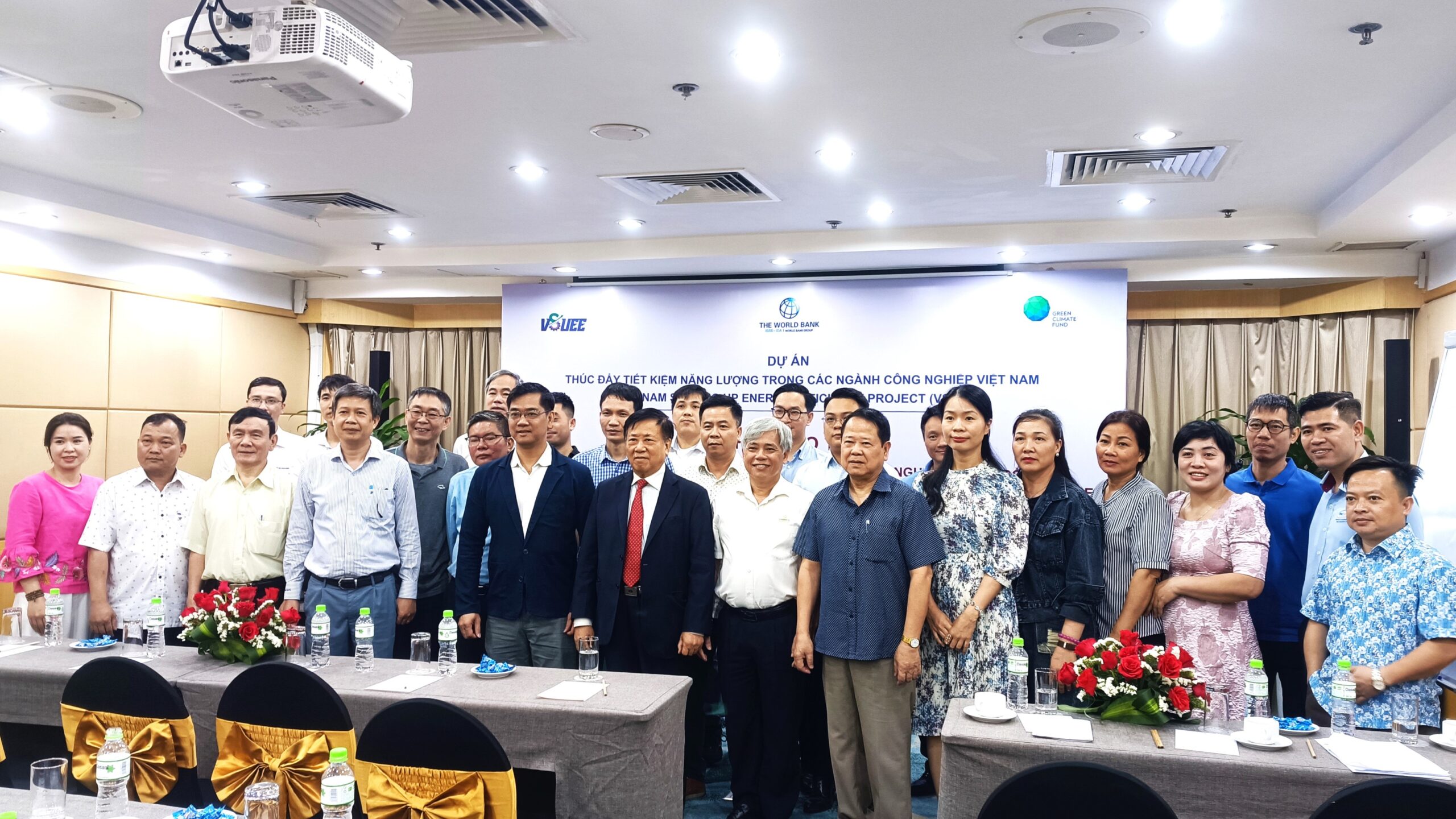
The training program was attended by 31 leaders from businesses within the beverage industry.
The program was led by instructors from technical universities, energy efficiency experts from the Ministry of Industry and Trade, and energy efficiency specialists from both domestic and international projects. The training session on April 15, 2025, included 31 participants, who are leaders of businesses in the beverage industry. The remaining training programs will be organized based on curricula tailored to specific sectors, including: Seafood, Textiles, Paper and Pulp, Ceramics, Steel, Cement, and Plastics.
